

Eric Simpson and his family changed the way they farmed and now are seeing a better ecosystem on their land because of it.
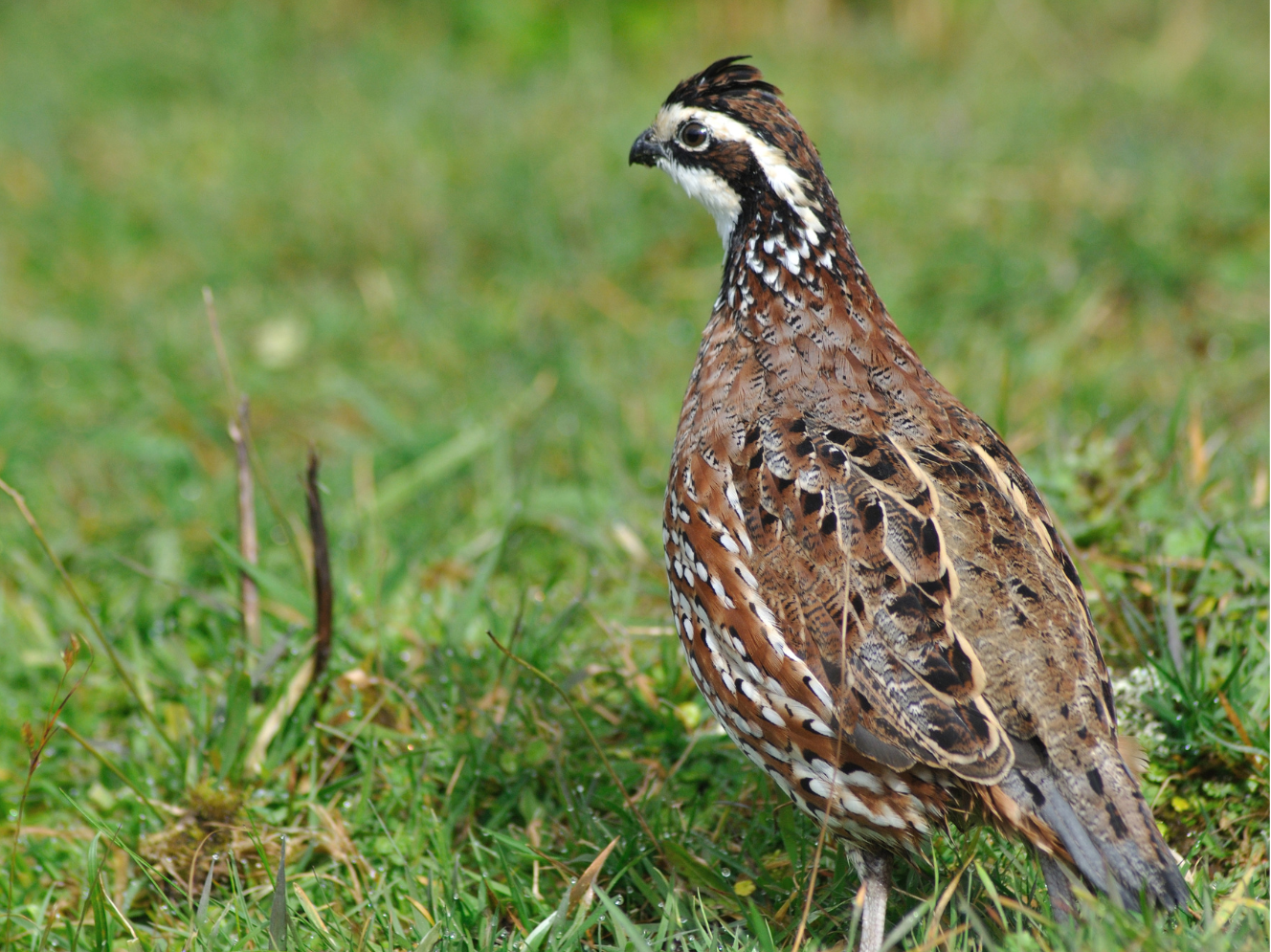
Eric describes the wildlife that began showing up when their farming changed on this episode of the Panhandle PBS YouTube Series “Sustain the Plains.”
Plants, animals and other organisms, combine with conditions such as weather and landscapes to form an ecosystem. And, every part of an ecosystem depends on every other part, according to National Geographic.
Experts call the links between ecosystems and human societies “ecosystem services,” in other words, the benefits that contribute to human well-being. These benefits are produced by living or nonliving parts of the environment. It’s easy to understand that the living parts are the plants, animals and organisms that live there. The nonliving parts, known as abiotic parts, are things like sunlight, water, air, wind, soil, temperature, and minerals.
Wind, for example, plays a role in seed dispersal, pollination and water movement. Even topography, the physical features of the land, can influence climate and habitats.
The benefits to humans?
- Things that can be consumed, as in the case of water or food.
- Places that can be experienced, as in scenic beauty or the sense of awe that a waterfall, mountains or butterflies can cause us to feel.
- And, basically, those that contribute to the fundamental environmental conditions for human life.